
DIY Garage Door Maintenance: Easy Tips and Tricks for Homeowners


Maintaining your garage door is essential to ensure its longevity and smooth operation. With a few simple DIY tips, homeowners can take care of their garage doors without professional help. Regular maintenance not only enhances the door's performance but also helps avoid costly repairs.
One of the first things to do is visually inspect your garage door hardware. Look for any loose or worn parts, such as hinges, springs, and rollers. If you spot any issues, tighten the hardware or replace parts as needed. This simple step can prevent further damage and ensure your garage door operates quietly and efficiently.
Lubrication: Keep It Smooth
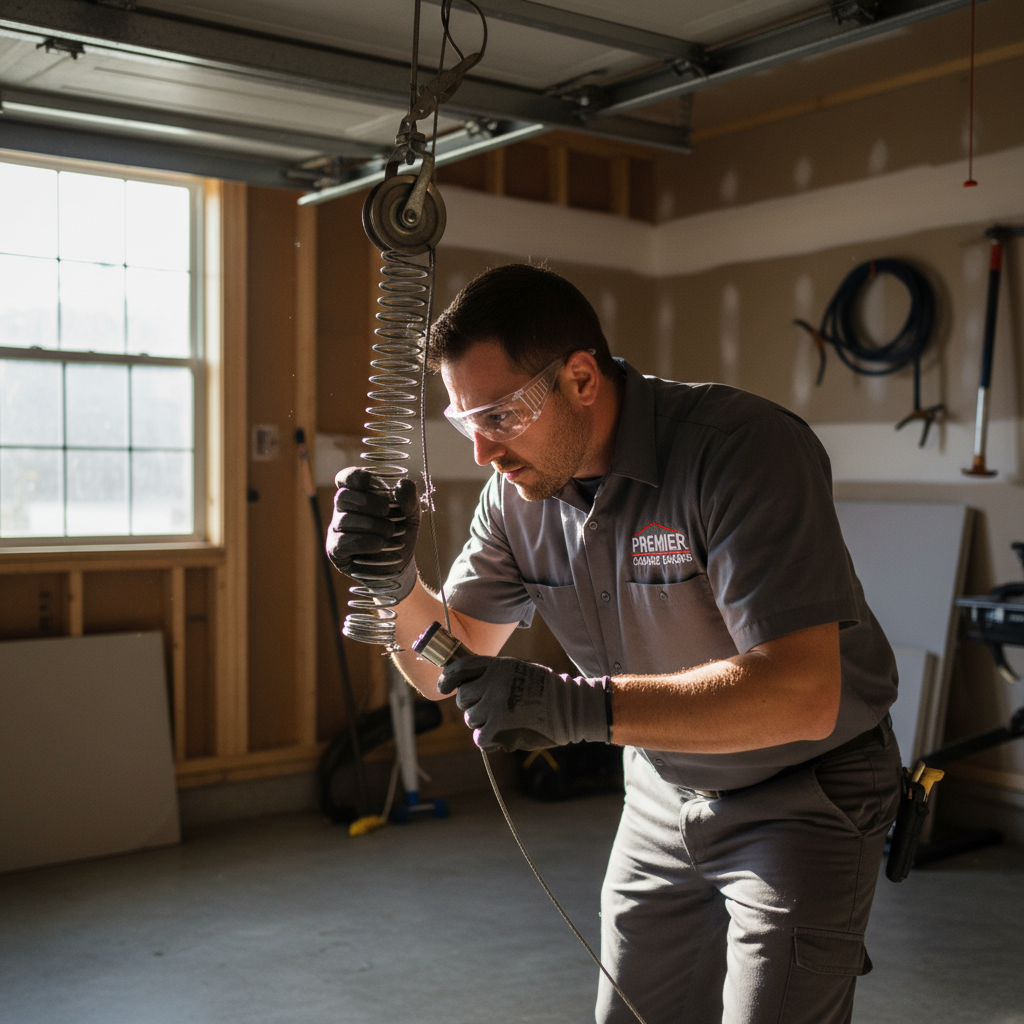
Lubrication is key to maintaining a garage door's smooth operation. Apply a high-quality lubricant to the door's moving parts, such as rollers, hinges, and tracks. This will minimize friction and reduce noise. Be sure to use a silicone-based lubricant rather than grease, which can attract dirt and grime.
Regularly lubricating your garage door can also extend the life of its components. Make it a habit to lubricate every six months, or more often if you notice any squeaking or grinding noises. This simple task can make a big difference in how your garage door functions.

Balance and Alignment: Ensuring Proper Function
A well-balanced garage door is crucial for its proper function. To check the balance, disconnect the automatic opener by pulling the release handle. Manually lift the door halfway and let go. If it stays in place, it is balanced. If it falls or rises, the springs may need adjustment.
Alignment is equally important. Inspect the tracks for any bends or alignment issues. Loose bolts can cause misalignment, so ensure all components are tightly secured. If you notice any severe alignment problems, it may be necessary to call a professional for assistance.
Testing the Safety Features
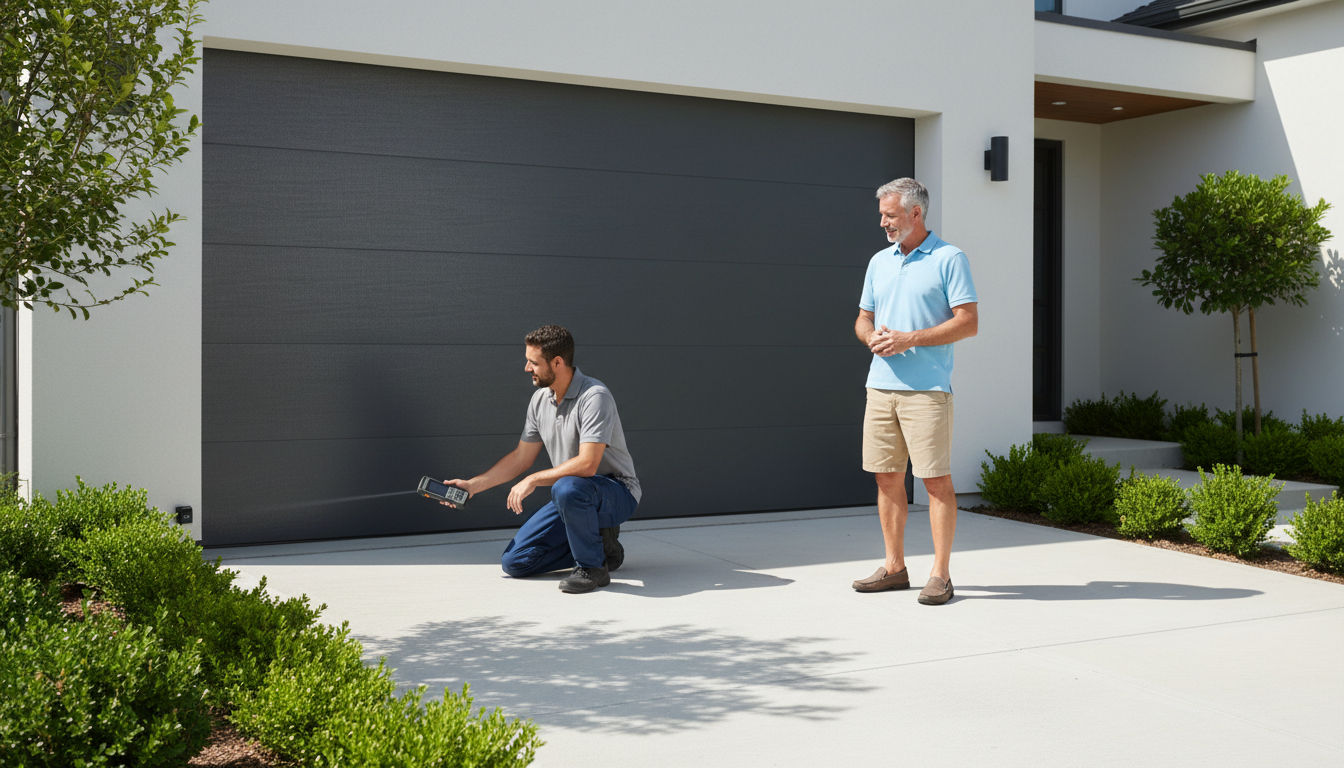
Your garage door's safety features are vital for preventing accidents. Regularly test the auto-reverse function by placing a small object in the door's path. If the door doesn't reverse upon contact, it may need an adjustment.
Additionally, ensure that the photo-eye sensors are clean and aligned. These sensors are responsible for detecting obstacles in the door's path. Wipe them with a clean, dry cloth to maintain their effectiveness.
Weatherstripping: Protecting Against the Elements
Weatherstripping helps seal your garage door, protecting it from rain, wind, and pests. Inspect the weatherstripping for any cracks or gaps. If needed, replace it to ensure a proper seal. This can help improve energy efficiency and keep your garage comfortable year-round.
Replacing weatherstripping is a straightforward task. Measure the length needed, remove the old strip, and press the new one into place. This small effort can make a significant difference in protecting your garage and its contents.
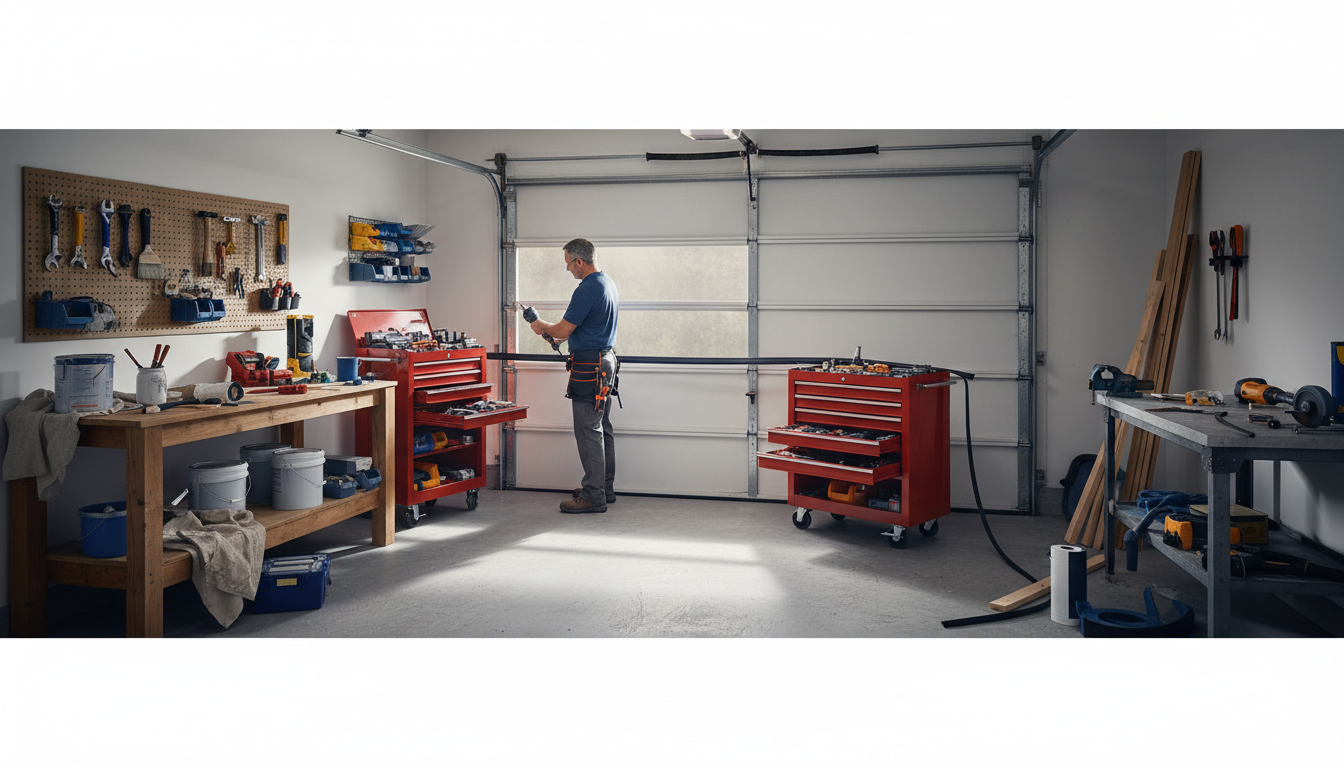
By following these DIY maintenance tips, homeowners can keep their garage doors in top condition. Regular inspections, lubrication, and testing can prevent unexpected issues and extend the life of your garage door. With a little effort, you can ensure your garage door remains a reliable and functional part of your home.